info@certifiedhumane.org
PO Box 82 Middleburg, VA 20118
Global Impact
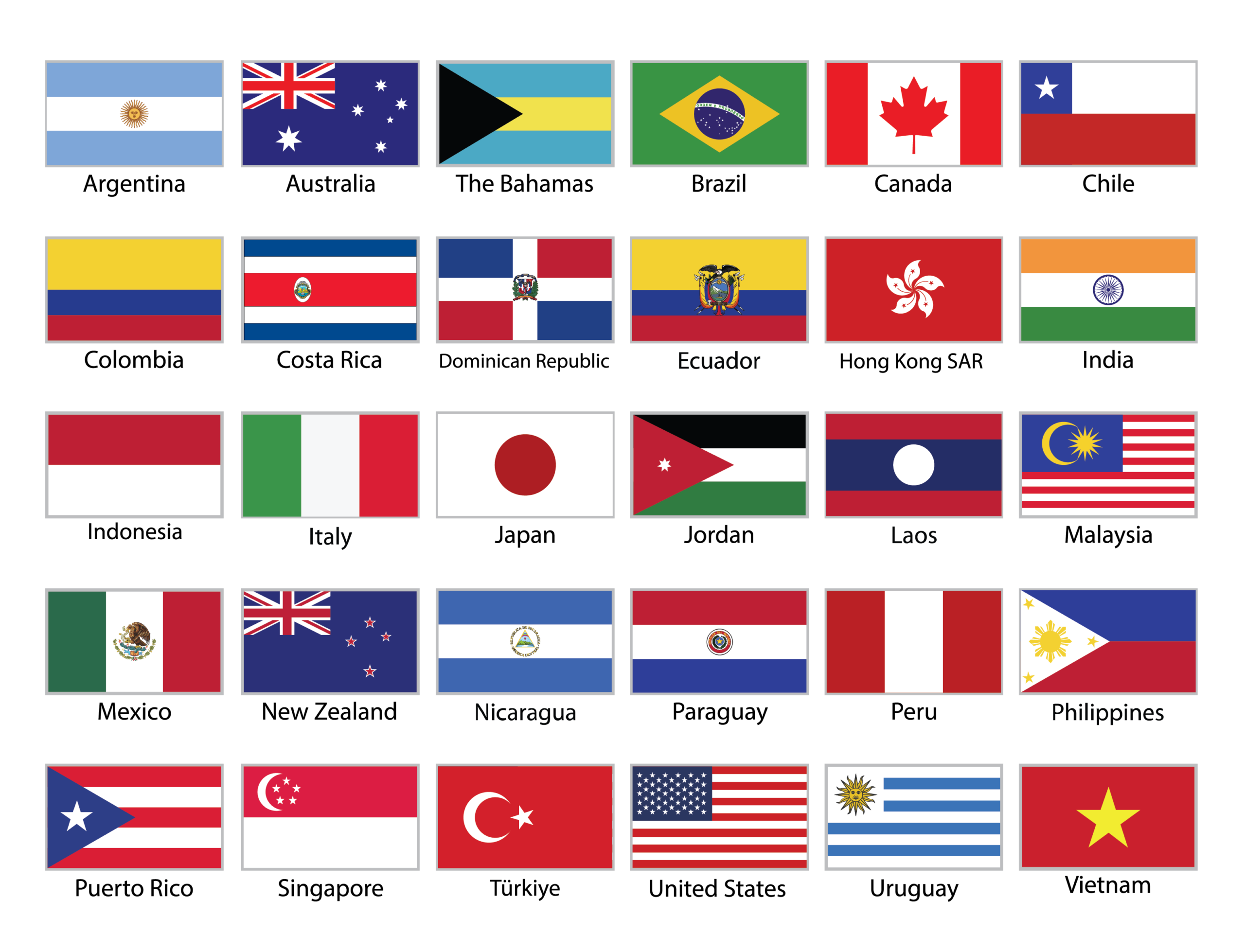
Find Us In Argentina, Australia, the Bahamas, Brazil, Canada, Chile, Colombia, Costa Rica, the Dominican Republic, Ecuador, Hong Kong SAR, India, Indonesia, Italy, Japan, Jordan, Laos, Malaysia, Mexico, New Zealand, Nicaragua, Paraguay, Peru, the Philippines, Puerto Rico, Singapore, Türkiye, the United States, Uruguay, and Vietnam.


Posted: March 18, 2016 by Certified Humane®
Gryphon Ranch – Globe, Arizona
Gryphon Ranch, a 469-acre cattle ranch in the Pinal mountains of Globe, Arizona, operated by Jim and Carol Ptak, is now part of Humane Farm Animal Care’s Certified Humane program. The couple got their start in cattle farming in 2011 when their 101-acre hay farm in Washington state had leftover hay from the previous season. “At …
Posted: March 18, 2016 by Certified Humane®
Le-Fort Organic Crops – Creston, California
Roberto Le-Fort and Dolores Howard operate Le-Fort’s Organic Crops, a Certified Humane® farm, in Creston, California, near the city of San Luis Obispo in the Central Coast region of California. Their organic farm grows vegetables, fruits and herbs and raises free-range chickens, some of which are heritage breeds, for their eggs. Raised in Chile on his …
Posted: March 10, 2016 by HFAC
Gryphon Ranch in Arizona
Certified Humane® welcomes Gryphon Ranch in Globe, Arizona, to the Certified Humane Raised and Handled® program. Check out their Scottish Highland cattle who look like yaks, but graze like goats.
Posted: March 8, 2016 by HFAC
Jamie Oliver offers some tips on how to be an ethical shopper
In a recent online article, Daniel Nowland for JamieOliver.com offers some tips on how to be an ethical shopper and, as a strong supporter of Certified Humane®, explains what to look for when buying animal products. Here’s some of what he writes: “With so much talk of sustainability, seasonality and animal welfare surrounding the food we …
Posted: July 12, 2015 by Adele Douglass
Is It Unethical to Eat Foie Gras? (Wall Street Journal)
The main issue: force-feeding of ducks or geese to fatten their liver Foie gras, the fattened liver of a duck or goose, has become a controversial food, even for meat eaters, because of the way it is produced. With rare exceptions, foie gras production involves a process called gavage—the French term for the force-feeding of …