While our focus remains on the welfare of farm animals, Certified Humane® certification is complementary to regenerative systems and individual programs. Regenerative agricultural practices actively improve the environment and soil carbon sequestration; they are a key tool for the future of agriculture in combatting climate change. Intentionally incorporating animals into a pasture system can enrich the soils, promote plant growth, and increase carbon sequestration bringing damaged pasture back to life. Responsible grazing management, part of the Certified Humane® program requirements, will not damage or deplete natural resources and the environment.
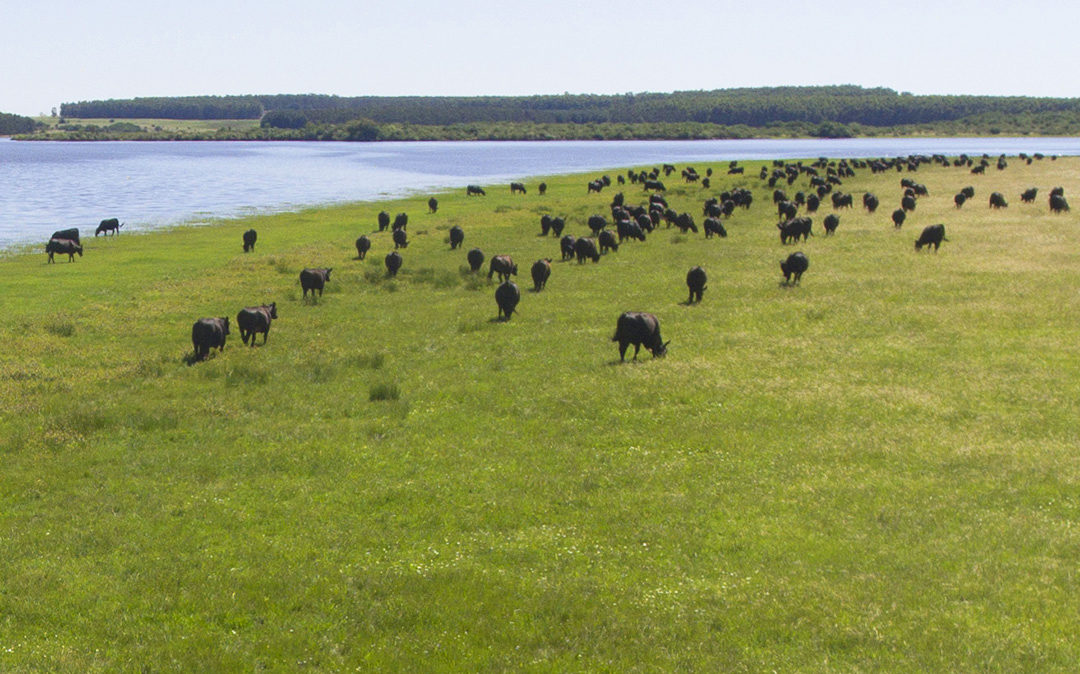
The Certified Humane® program verifies farm animal welfare practices that are a critical piece of a regenerative agriculture system. Our standards ensure these animals are not overcrowded and they are offered the right grasses for their species and the region. Grazing habits are managed by rotating animals around a pasture to verdant areas with plant life at the right stage of their growth cycle for grazing and maximum nutrient benefit. Rotational Grazing, done correctly, will nourish the animals and stimulate long term pasture growth, naturally holding carbon in the soil.



Posted: May 17, 2025 by Certified Humane®
Regenerative and Sustainable Agriculture
While our focus remains on the welfare of farm animals, Certified Humane® certification is complementary to regenerative systems and individual programs. Regenerative agricultural practices actively improve the environment and soil carbon sequestration; they are a key tool for the future of agriculture in combatting climate change. Intentionally incorporating animals into a pasture system can enrich the soils, promote plant growth, and increase carbon sequestration bringing damaged pasture back to life. Responsible grazing management, part of the Certified Humane® program requirements, will not damage or deplete natural resources and the environment.
The Certified Humane® program verifies farm animal welfare practices that are a critical piece of a regenerative agriculture system. Our standards ensure these animals are not overcrowded and they are offered the right grasses for their species and the region. Grazing habits are managed by rotating animals around a pasture to verdant areas with plant life at the right stage of their growth cycle for grazing and maximum nutrient benefit. Rotational Grazing, done correctly, will nourish the animals and stimulate long term pasture growth, naturally holding carbon in the soil.
Posted: November 26, 2024 by Certified Humane®
Becoming Certified Humane®: What happens during the certification process?
Farmers and ranchers ask us to certify their operations because they recognize that shoppers trust the Certified Humane® logo. Our animal care standards require that trained handlers understand the needs of farm animals and how to apply those needs to their daily routine. That requires a long-term commitment to sustainable practices, not a quick fix. Our goal in this article is to demystify all the details and reasoning behind the certification and explain how a farm or ranch or processor becomes Certified Humane® and can remain on the program through annual audits. Certified Humane® is a voluntary program run by a 501(c)3 nonprofit organization, Humane Farm Animal Care.
Our vision is for all farm animals worldwide to live in a comfortable, healthy environment that suits their natural instincts and behaviors. The animal welfare scientists and veterinarians on our volunteer Scientific Committee contribute to keep our Farm Animal Standards up to date with the most current peer-reviewed research. To make progress improving the lives of farm animals, we must grapple with daunting realities of our global dependance on animals for food.
Posted: September 19, 2024 by Certified Humane®
The Values and Principles of Certified Humane®
How we improve the cruel realities of the factory farm industry. Our Farm Animal Standards were written by renowned animal welfare scientists and veterinarians who have dedicated their careers to understanding farm animals and improving their welfare. They are followed by farmers and ranchers who accept their responsibility to treat the animals in their care with compassion. The mission of the Certified Humane® program is to counter the cruel realities of the factory farm industry in order to improve the lives of farm animals across the world.
Both compassion and animal welfare science guide how we treat farm animals. The Certified Humane® Farm Animal Standards are science-backed best practices that outline what is needed for each species to thrive. In short, our standards allow farm animals to be cared for in the ways that best suit their nature. Certified Humane® is a science-based program administered by a nonprofit organization. Our mission advances when a farm or ranch voluntarily commits to raising the quality of life for all animals in their care. Our vision is for all farm animals worldwide to live in a comfortable, healthy environment that suits their natural instincts and behaviors.