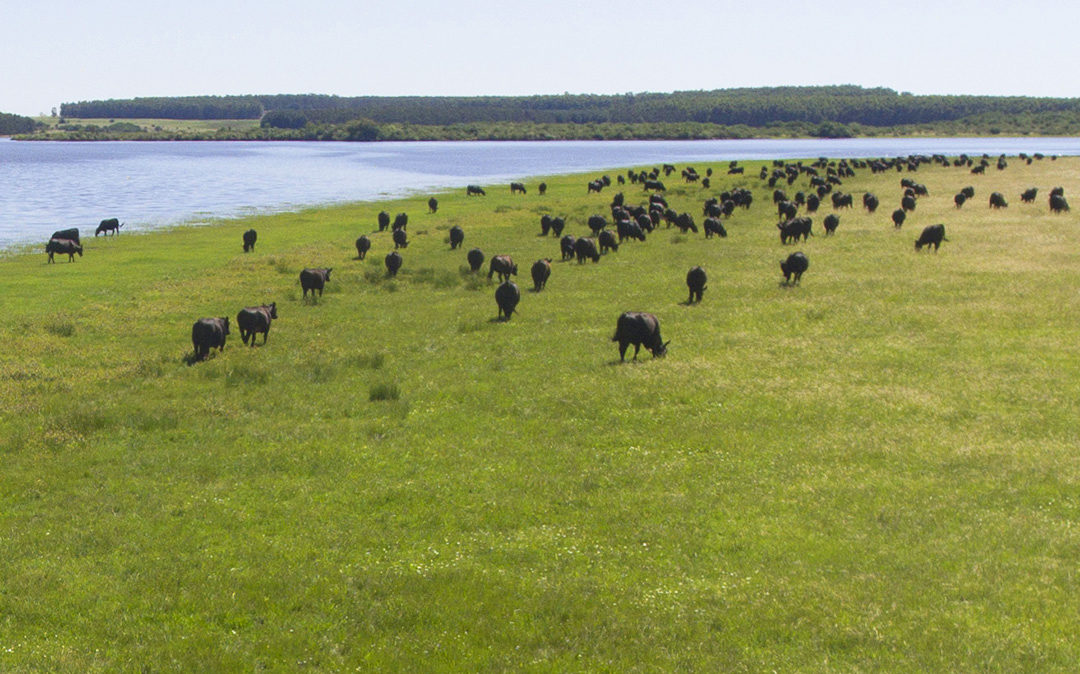
While our focus remains on the welfare of farm animals, Certified Humane® certification is complementary to regenerative systems and individual programs. Regenerative agricultural practices actively improve the environment and soil carbon sequestration; they are a key tool for the future of agriculture in combatting climate change. Intentionally incorporating animals into a pasture system can enrich the soils, promote plant growth, and increase carbon sequestration bringing damaged pasture back to life. Responsible grazing management, part of the Certified Humane® program requirements, will not damage or deplete natural resources and the environment.
The Certified Humane® program verifies farm animal welfare practices that are a critical piece of a regenerative agriculture system. Our standards ensure these animals are not overcrowded and they are offered the right grasses for their species and the region. Grazing habits are managed by rotating animals around a pasture to verdant areas with plant life at the right stage of their growth cycle for grazing and maximum nutrient benefit. Rotational Grazing, done correctly, will nourish the animals and stimulate long term pasture growth, naturally holding carbon in the soil.



Posted: May 17, 2025 by Certified Humane®
Regenerative and Sustainable Agriculture
While our focus remains on the welfare of farm animals, Certified Humane® certification is complementary to regenerative systems and individual programs. Regenerative agricultural practices actively improve the environment and soil carbon sequestration; they are a key tool for the future of agriculture in combatting climate change. Intentionally incorporating animals into a pasture system can enrich the soils, promote plant growth, and increase carbon sequestration bringing damaged pasture back to life. Responsible grazing management, part of the Certified Humane® program requirements, will not damage or deplete natural resources and the environment.
The Certified Humane® program verifies farm animal welfare practices that are a critical piece of a regenerative agriculture system. Our standards ensure these animals are not overcrowded and they are offered the right grasses for their species and the region. Grazing habits are managed by rotating animals around a pasture to verdant areas with plant life at the right stage of their growth cycle for grazing and maximum nutrient benefit. Rotational Grazing, done correctly, will nourish the animals and stimulate long term pasture growth, naturally holding carbon in the soil.
Posted: June 12, 2024 by Certified Humane®
Whole Foods furthering its commitment to animal welfare
Whole Foods Market Expands Industry-Leading Standards for Animal Welfare and Third-Party Certifications Additional Products and Species Now Required to Meet Retailer’s Rigorous Animal Welfare Standards AUSTIN, Texas (June 7, 2024) – Whole Foods Market is furthering its commitment to animal welfare by requiring additional products and species to meet its quality standards for meat. The company …
Posted: March 20, 2024 by Certified Humane®
New Standards for Farmed Atlantic Salmon
Select the links below to view the new standards for Farmed Atlantic Salmon in English or Spanish. (ENGLISH) FARMED ATLANTIC SALMON (SPANISH) SALMÓN DEL ATLÁNTICO DE CULTIVO
Posted: March 18, 2024 by Certified Humane®
Eggland’s Best Honored by The American Vegetarian Association and The Women’s Choice Awards
(Eggland’s Best Free Range and Pasture Raised Eggs are Certified Humane®) American Vegetarian Association Awards Eggland’s Best Eggs With ‘Recommended’ Certification For the 20th Consecutive Year Eggland’s Best is the only AVA Certified Egg for Two Decades Cedar Knolls, N.J., January 9, 2024 – For the 20th consecutive year, the American Vegetarian Association (AVA) has …
Posted: February 29, 2024 by Certified Humane®
ButcherBox exclusively sources Certified Humane® pork, beef, and bison
ButcherBox’s move to stand behind the Certified Humane® labels on its beef and pork further proves that consumers care about how animals in the food industry are treated, said Executive Director Mimi Stein.