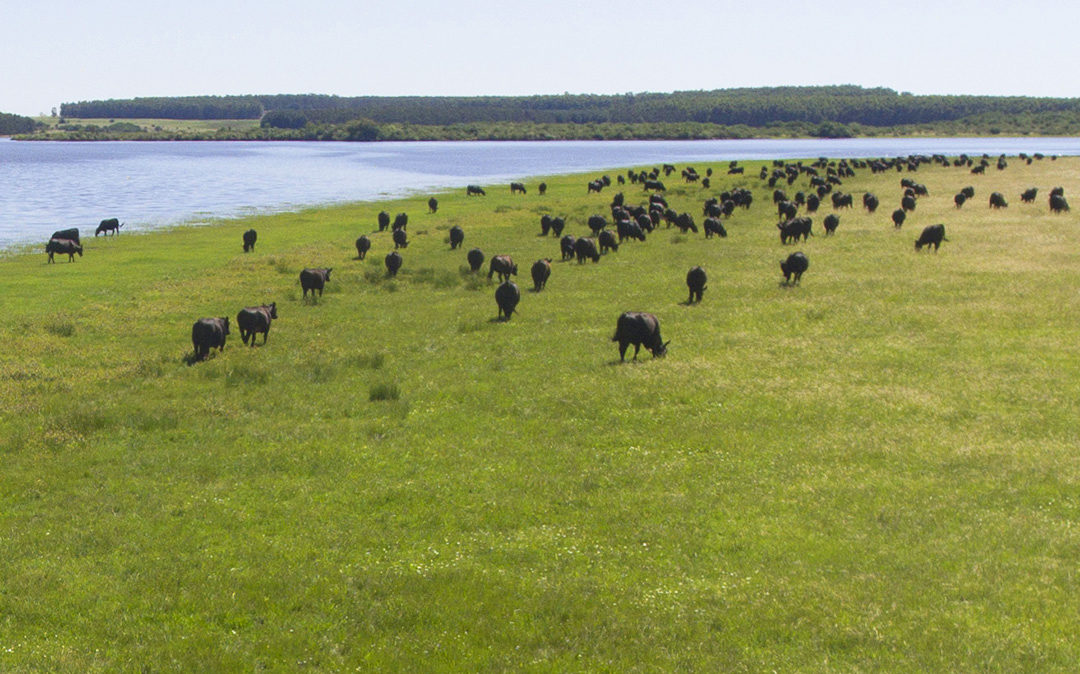
While our focus remains on the welfare of farm animals, Certified Humane® certification is complementary to regenerative systems and individual programs. Regenerative agricultural practices actively improve the environment and soil carbon sequestration; they are a key tool for the future of agriculture in combatting climate change. Intentionally incorporating animals into a pasture system can enrich the soils, promote plant growth, and increase carbon sequestration bringing damaged pasture back to life. Responsible grazing management, part of the Certified Humane® program requirements, will not damage or deplete natural resources and the environment.
The Certified Humane® program verifies farm animal welfare practices that are a critical piece of a regenerative agriculture system. Our standards ensure these animals are not overcrowded and they are offered the right grasses for their species and the region. Grazing habits are managed by rotating animals around a pasture to verdant areas with plant life at the right stage of their growth cycle for grazing and maximum nutrient benefit. Rotational Grazing, done correctly, will nourish the animals and stimulate long term pasture growth, naturally holding carbon in the soil.
Posted: March 7, 2024 by Certified Humane®
Dr. Brenda Coe reviews a career of protecting farm animal welfare
“I love the farmers that I work with,” said Brenda Coe, Ph.D. “I love talking to people who are really proud and excited to show you what their facilities are like, and what they’re doing.”
Posted: June 8, 2023 by Certified Humane®
How Adele Douglass Jolley changed the farm animal industry
In 2003, Adele Douglass Jolley set out to change the farming industry. Twenty years later, the Certified Humane® program she created sets standards for 400 million farm animals a year and operates in 24 countries. Adele’s unwavering standards for excellence became the foundation for the nonprofit’s steady growth and formidable leadership in the industry.
Posted: May 17, 2022 by Certified Humane®
Regenerative and Sustainable Agriculture
While our focus remains on the welfare of farm animals, Certified Humane® certification is complementary to regenerative systems and individual programs. Regenerative agricultural practices actively improve the environment and soil carbon sequestration; they are a key tool for the future of agriculture in combatting climate change. Intentionally incorporating animals into a pasture system can enrich the soils, promote plant growth, and increase carbon sequestration bringing damaged pasture back to life. Responsible grazing management, part of the Certified Humane® program requirements, will not damage or deplete natural resources and the environment.
The Certified Humane® program verifies farm animal welfare practices that are a critical piece of a regenerative agriculture system. Our standards ensure these animals are not overcrowded and they are offered the right grasses for their species and the region. Grazing habits are managed by rotating animals around a pasture to verdant areas with plant life at the right stage of their growth cycle for grazing and maximum nutrient benefit. Rotational Grazing, done correctly, will nourish the animals and stimulate long term pasture growth, naturally holding carbon in the soil.